
|
The benefits of an efficient mass transit system are both economic and environmental. In ‘dense’ cities, the cost of transport to the community accounts for around five per cent of gross domestic product (GDP) – but this rises to over 12 per cent in sprawling cities where the car is the only effective means of transport. For example, it is estimated that Singapore, Hong Kong and Munich spend around six per cent of their GDP on mobility – while in Houston that figures rises to 14 per cent. Similarly, when we look at the carbon footprint of those journeys, far greater efficiencies are realizable through the use of more advanced light mass transit systems – especially when initiatives involving increased electrification and the use of biofuels are involved. On top of this, many cities are also introducing congestion charges and increasing their fees for parking in city centres. Technology of choiceRobin Davis, chair of the TCCA Transport Group sums up the current situation – and the opportunities for the TETRA community: “There’s been a steady and continuous increase in the number of TETRA installations on trams, buses and light rail systems over the last few years and it’s become recognized as the de facto technology for these types of operations. In fact, though large-scale public safety projects drove TETRA’s early applications development, recent figures show that transport applications have now overtaken that market. He continues: “Transport operators have been deploying TETRA since its inception and the reasons are very clear. Operators are typically looking for high-quality, reliable, resilient and secure transmission coverage over the entire area of their operations. They’re looking for technology that can accommodate both voice and data channels as well as the facility to have private, group and individual calls. This, combined with PTT and emergency call operation – plus the ability to readily interoperate with emergency services – has made it the technology of choice. In some situations, existing networks deployed for metro use are now being expanded to cover other transport systems such as buses and trams, leveraging the original investment.” While metro systems are already well established around the world, light rail systems are becoming increasingly attractive because they can often be installed on top of existing rights of way without the kinds of delay, disruption or expense involved in acquiring rights of way, excavation and construction. Currently, Europe is leading the way in use of light rail systems, with around 170 already in use and another 100 more under construction or being planned. Though the USA is second with 30 systems in operation and 10 under construction, the Asia-Pacific market represents the fastest growing sector, while some Middle Eastern countries are also well advanced. Voice plus dataVoice communications have always been the basics of TETRA, but the system’s ability to support data applications will be increasingly exploited as communities try to make the shift towards ‘smart city’ models. The complexity of the modern urban environment – and especially its increasing vulnerability to disruption from both natural and man-made disasters – requires newer, more integrated ways of running utilities and societies in intelligent and dynamic ways. Steve Barber, head of product strategy at Sepura, believes that while voice communications are going to remain important, transmitting data is now a key issue for transport operators. “There are multiple drivers for investment in urban transport communications systems beyond the standard macro issues to do with operating costs, environmental concerns and expanding capacity. For example, there’s a growing expectation from an increasingly connected public that detailed data will be available to help them plan their journeys. There’s also a complementary requirement from regulators to measure both performance and conformance with operating licences.” He adds: “While the delivery of location information has been a common requirement, traffic light pre-emption, vehicle telemetry including engine temperatures, fuel usage and so on are the other common uses for data.”
|
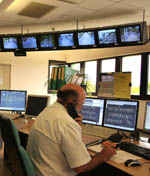 As the world’s population rises and more and more people make their way to cities, the opportunity for